Five answers to what frontier models cost, and what they owe you
Workboard is live. The other four grow from the same senders, the same content rules and the same page, and are listed here so you can tell us which one you need first. Names are working names.
Workboard
One page for what frontier model coding tools cost your team, and a priced list of what to change.
Learn moreIn designVault
Send a placeholder token to the model instead of the PHI, PII or PCI value, and put the real value back in the reply.
Learn moreComingTokenGuard
Policies and limits for frontier model spend across the organization, enforced before the bill arrives.
Learn moreComingAdvisor
Only the recommendations: a weekly, priced list of what to change, with no dashboard to learn.
Learn moreComingAgenda
The list of what your agents still owe you: decisions waiting, work left open and follow-ups the model suggested.
Learn moreWorkboard
One page for what frontier model coding tools cost your team, and a priced list of what to change.
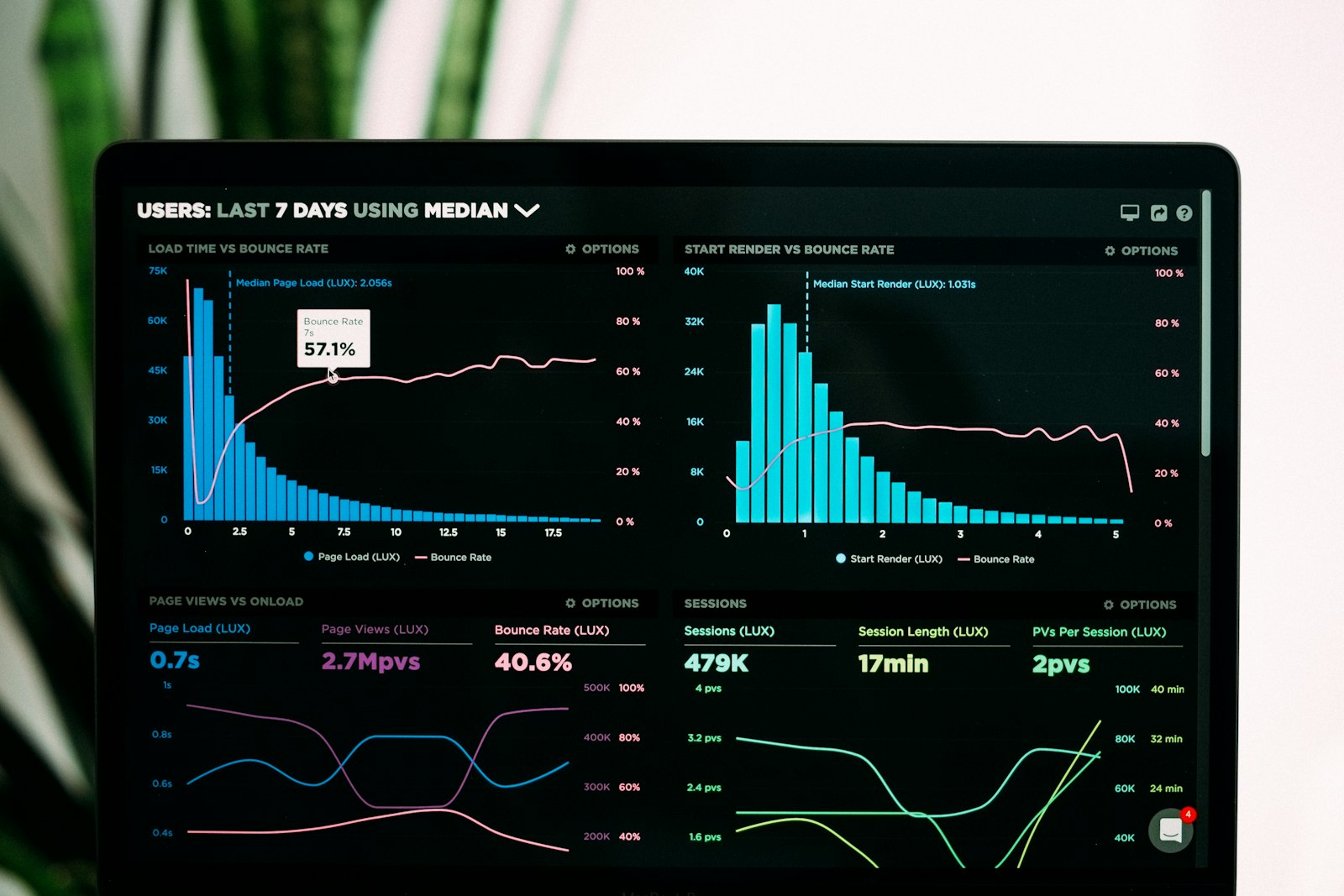
Workboard reads each developer's Claude Code activity on their own machine, prices every call at API list prices, and shows spend, plan headroom, sessions, agents, tool calls, loops and long-running jobs per account, machine and project. Savings turns the findings into a short list of changes, in dollars.
Claude Code is covered end to end today. OpenAI Codex CLI is next, then Google Gemini CLI, GitHub Copilot, Cursor and xAI Grok, so one page can show every tool side by side.
- Spend, Savings, Sessions, Activity, Team, Fleet, Explore and Settings on one page
- Prompts, replies, code and tool output never leave the machine
- Hosted at app.cognitivi.ai, or self-hosted in your AWS, GCP or Azure account
- $40 per seat per month, from 10 seats
Vault
Send a placeholder token to the model instead of the PHI, PII or PCI value, and put the real value back in the reply.
Regulated teams want frontier models on their data without the data leaving their control. Vault replaces protected health information, personal data and card data with placeholder tokens before a prompt leaves your network. The model works on the placeholders. When the reply comes back, Vault swaps the real values back in, on your side.
The mapping between a placeholder and its value is kept where you keep it: on the developer's machine or in a store inside your network. It is never sent to the model provider and never sent to Cognitivi.
Vault is in design. We are talking to teams in healthcare, finance and insurance about which fields matter first and where the swap should run. Write to us if you want to shape it.
- Placeholders for PHI, PII and PCI values, with the mapping kept in your network
- De-anonymised replies, so people and tools see real values and the model never does
- Works in front of coding agents and API calls alike
- Built on the same content rules as Workboard: measured, tested and reviewed
TokenGuard
Policies and limits for frontier model spend across the organization, enforced before the bill arrives.
Workboard shows what happened. TokenGuard sets what is allowed: a budget per project or person with a warning level and a stop, a context limit past which a session is told to hand off, an effort default for mechanical work, and an organization policy pack that an admin pushes to every machine through the tool's managed settings.
Each policy reports the saving it made, so a security or platform team can show the finance team what the guardrails are worth. TokenGuard is coming; the policy pack is on the Workboard roadmap now.
- Budgets with a warning level and a hard stop, per project, person or organization
- A managed settings pack: effort defaults, allowed commands, MCP servers switched off
- Alerts to the people who can act, with the saving tracked after each change
- Same senders as Workboard; nothing new on the machine


Advisor
Only the recommendations: a weekly, priced list of what to change, with no dashboard to learn.
Some teams do not want another page to look at. Advisor sends the Savings list on its own: each finding, what it costs, the change that fixes it and the evidence, by email or into the channel your team already reads.
It runs the same rules as Workboard, including the ones added from our own token reviews: contexts past 200,000 tokens, agents sleeping past their cache, high effort on tool-only turns, large tool results, files read again with no edit between, heavy always-loaded instructions, and listings that load on every call.
- A ranked, priced list each week, per team and per person
- Each recommendation with its evidence and a one-click handoff prompt
- No dashboard, no training: read it where you already work
- Priced for teams that want the advice without the page
Agenda
The list of what your agents still owe you: decisions waiting, work left open and follow-ups the model suggested.
Long agent sessions leave things behind: a decision the model asked for and never got, a task it recommended and nobody wrote down, a job that stalled, a pull request whose checks failed after everyone moved on. Agenda keeps that list for you, across every machine and project, so it is not lost when the session ends.
It grows out of Workboard's Needs-you list, the work log and the pending-decisions file that already drive the Fleet view. Agenda makes them one roadmap of outstanding and recommended work, assignable, with the session that raised each item one click away.
- Outstanding tasks and recommended next steps, collected from every session
- Decisions waiting on a person, with the recommended option
- A roadmap view per project, with mute, dismiss and done
- Hand an item back to a fresh session with a short brief

What the five share
- One sender per machineThe same Rust binary, the same one-line install, the same per-machine token.
- One content rulePrompts, replies, code and tool output never leave the machine. Each product is tested against a canary string that must never appear in any output.
- One data modelOrg, user, machine, account, project, session, turn, API call, tool call, agent, job and loop, aligned with OpenTelemetry's GenAI names.
- One page and one sign-inGitHub, Google or an email link; roles for owner, admin and member; seats bought once.
See your own numbers before you decide
Tell us how many developers use Claude Code and where you would run Workboard. A person at Cognitivi reads every message, replies by email and walks you through the page on your team's data.